AI Inpainting
Edit or replace specific elements inside an existing image.
AI Inpainting Tutorials

 Creating with Conor

 OpenArt

 Pixlr
Pixlr



 RandomAI

 WINBUSH

 Content Creators

 Hancybox

 Artturi Jalli
 Dan Kieft

 Higgsfield AI
 ImagineArt
 Simon Crowe

 OpenArt
 AI With TechZnap

 Create With AI (Zero to AI Hero)
 Isa does AI
 OpenArt
 AI Biceps

 The AI Girlie
 AI Video School
 Brain Project

 Youri van Hofwegen

 Wade McMaster - Creator Impact
 ToolBuddy
 NightCafe

 AI PIPELINE

 metricsmule
 Airbrush Studio
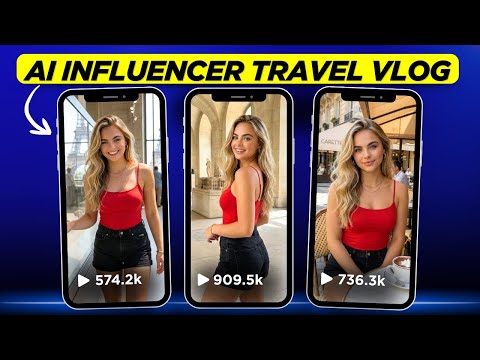
 Digital Bossq
 Creatify AI

 Moe Lueker
 Mark McGee Photos

 Blue Lightning

 ElevenLabs

 Joseph Martin
 ImagineArt
 Bijan Bowen

 Urban Decoders
 photoshopCAFE
 Affiliation
 Bob Doyle Media
 Ľudovít Nastišin

 Recraft

 WsCube Tech
 Joseph Martin
 Drew Tutorial
 Moksh
Moksh
 Thomas Creates
 AI Master

 Anthony Turnham
 Matt Hallett Visual
 Mira AI
 pixaroma
 Emmanuel Adewuyi
 Morphic

 Alex Followell | AI Automation

 Clear
Clear

 Ka Production

 Excelerator
 Recraft
 Thomas Creates

 SkillCurb
 Zorvex Tech

 Rafik Graphics

 Creative AI Show
 Artificial Quotient

 Presti AI
AI Inpainting Prompts
AI Inpainting Tools
A node-based visual workflow engine for professional AI image and video generation.
All-in-one AI creative studio for images, video, music, and models.
Agent-native image generation and editing using code-based intermediate representations.
AI-powered concepting board to explore, expand, and refine creative ideas.
The most controllable AI image generation and design tool for creators.
Create cinematic AI videos and images with advanced character consistency.
AI-powered photo editor for creative desktop, tablet, and mobile editing.
The fastest path from prompt to production with Gemini models.
Transform ideas into stunning AI-generated images and photorealistic art in seconds.
Google’s multimodal AI assistant for writing, planning, and creative brainstorming.
A professional online photo editor that runs directly in your browser.
The world’s most advanced image editing and graphic design software.
Advanced generative AI tools and foundational models for creative expression and productivity.
Fast, private, and offline AI image generation for Apple devices.
An experimental AI tool for image-to-image prompting and visual storytelling.
A powerful creative AI suite for real-time image, video, and 3D generation.
Generative AI platform for high-quality creative asset production and image generation.
Browser-based AI suite for instant image and video editing and transformation.
Agent-native image generation and editing with code-based precision and 4K rendering.
A comprehensive online design platform for creating professional visual content easily.
Advanced AI image generation and editing with streamlined SDXL model support.
All-in-one AI creative suite for images, videos, and audio generation.
All-in-one AI-powered photo and video creation and editing platform.
AI-powered video creation platform for professional filmmaking and social media content.
AI-powered creative agents that plan, generate, and refine professional workflows.
A comprehensive AI creative suite for video, image, and audio generation.
An independent research lab exploring new mediums of thought through AI imagery.
An AI-powered storytelling platform for professional video and image generation.
The ultimate AI creative suite for video, image, and audio generation.
AI-powered visual production agent for eCommerce and catalog scaling at speed.
Professional AI design platform for photorealistic images and editable vector graphics.
Run and deploy open-source machine learning models with a cloud API.
A latent text-to-image diffusion model for high-quality, photo-realistic image generation.
All-in-one AI image and video generation platform for e-commerce and marketing.

The all-in-one AI platform and super assistant for enterprise automation.
Professional workstation for precision audio editing, mixing, and sound restoration.
Generative AI for creative expression and professional content creation.
All-in-one AI studio for professional video and image creation.
Professional AI-powered photo and video editing for instant, high-quality enhancements.
Create high-converting video ads using realistic AI actors and avatars.
Create AI-powered short videos featuring realistic digital clones and avatars.
Turn selfies into 4K professional AI headshots in under an hour.
AI fashion model generator transforming flat lays into high-end on-model photos.
Advanced AI conversational assistant for text generation and problem solving.

An all-in-one creative AI platform for images, video, and music.
All-in-one AI creative platform for high-quality video and image generation.
All-in-one AI platform for content, images, video, and audio generation.
Ultra-realistic AI voice generator and conversational agent platform.
Transform AI-generated skin textures into photorealistic, high-fidelity human skin.

An all-in-one AI photo editing workflow for professional photographers.
Next-generation face manipulation and high-fidelity face swapping platform.
AI-powered online video maker and editor with professional templates.

Free, unlimited AI image generation for creators and world-builders.
Google's advanced text-to-image model for high-fidelity photorealistic creative assets.
An advanced conversational AI with real-time knowledge and unfiltered responses.
AI-powered photorealistic hair transplant previews for clinics and patients.
Professional AI business headshots without a physical photo shoot.
Create professional AI videos with lifelike avatars and instant voice dubbing.
Transform single photos into viral AI-powered videos and social media content.
Unified multimodel API for high-performance AI at a fraction of the cost.
The world's first AI design agent for end-to-end brand campaigns.
Create stunning AI-generated art using multiple state-of-the-art algorithms and models.
AI-powered storytelling and anime art generation for creative writers and artists.

All-in-one AI studio for professional photo and video creation and editing.

AI-powered image and video generation, editing, and restoration studio.
Custom metal retail fixtures and stock display components for top retailers.
Agent-native image generation and editing using code-based intermediate representations.
Next-generation AI for high-fidelity video generation and world simulation.
AI-powered video generation platform for social ads and ecommerce creatives.
Professional AI headshot generator that turns a single selfie into studio-quality portraits.

All-in-one AI video generator for text, images, and reference-based content.
AI-powered node-based platform for professional design and creative workflows.
AI-powered photo editor and beauty camera for professional-grade selfies.
AI Inpainting Industries
What is AI Inpainting?
AI inpainting is the process of using artificial intelligence to add, remove, or modify specific elements within an existing image. Unlike standard generation which creates a new image from scratch, inpainting uses a "mask" to isolate a specific zone. The AI then analyzes the surrounding textures, lighting, and context to blend new pixels seamlessly into the original frame.
You would use this task when you need to fix a small mistake (like a distorted hand), change a subject's outfit, or swap a background without losing the identity of your main character. Based on our data of 202 demo clips, it is one of the most effective ways to achieve professional-grade edits without manual Photoshop skills.
The General Inpainting Workflow
While every software interface differs slightly, the core workflow remains consistent across almost all 77 tools we've cataloged:
- Upload the Base Image: Start with a high-quality, sharp image to avoid blurring during processing.
- Create a Mask: Use a brush tool to highlight the area you want to change. A common tip from real tutorials is to make the mask slightly larger than the object itself to allow for better edge blending.
- Input Your Prompt: Describe what should appear inside the mask. If you are removing an object, you might prompt for "matching background."
- Adjust Denoising Strength: This setting determines how much the AI deviates from the original. Lower values (0.3–0.5) keep the original shape; higher values (0.7+) allow for entirely new objects.
- Generate and Iterate: It is often better to change one element at a time (e.g., change the shirt, then the background) rather than trying to modify everything in one go.
Best Tools for AI Inpainting
According to our first-party demo data, these tools are the most frequently used for real-world inpainting tasks:
- ComfyUI (18 demos): The top choice for advanced users. It offers the most control via node-based workflows but requires specific inpainting nodes to be installed.
- OpenArt (13 demos): A popular browser-based option that balances ease of use with powerful generative features.
- Reve AI (11 demos): Frequently demonstrated for its ability to handle consistent character edits.
- Luminar Neo & Photoshop (10 combined demos): Preferred by photographers for integrating AI into traditional editing suites.
Pro Tips and Common Mistakes
- Subject Placement: Use "Region Selection" to place an element exactly where you want it in the frame.
- Prompting Structure: Mention the subject immediately after the requested change (e.g., "a red Hawaiian shirt on the man").
- Preserve Identity: To keep a face consistent while changing an outfit, leave the neck or jawline unmasked to provide the AI with structural anchors.
- Avoid Over-Prompting: Don't pack too many instructions into one mask. If the AI produces "broken limbs" or incorrect hand sizes, try refining the mask and reducing the prompt complexity.
- Skin Smoothing: When upscaling inpainted faces, include "skin smoothing" in your prompt to prevent the AI from exaggerating textures or freckles.
Frequently asked questions
What is AI inpainting?
AI inpainting is a technique where an AI model reconstructs or fills in missing or selected portions of an image. It analyzes the surrounding pixels to ensure that new elements, such as a different outfit or a removed object, blend naturally with the original lighting and style.
What is the difference between inpainting and outpainting in AI?
Inpainting focuses on modifying or filling in content within the existing boundaries of an image. Outpainting, conversely, extends the image beyond its original borders to expand the scene while maintaining the same artistic style.
What is the best model for inpainting?
How do I use AI inpainting online for free?
How does the 'mask' work in AI inpainting?
The mask acts as a digital stencil that tells the AI exactly which pixels it is allowed to change. Areas outside the mask remain locked, ensuring the rest of your image stays original while the masked area is regenerated.
Can I use AI inpainting for video?
Yes, tools like Higgsfield and specialized Stable Diffusion workflows allow for video inpainting, though it is more complex than static images as the AI must maintain consistency across every frame.
Why does my inpainted image look blurry?
Blurring often occurs if the original image wasn't sharp enough or if the 'denoising strength' is set too low. Ensure your base image is high-resolution and that your mask is slightly larger than the object to allow for a smooth transition.