Animate images with Kling AI 2.6

 Kling AI
Demo summary
The creator shows how to use Kling AI's image-to-video mode, selecting the 2.6 model and pasting movement scripts generated by Nano Banana Pro to animate the frames.
Step-by-step
- Go to the AI video generator in Kling AI
- Toggle on the latest video 2.6 model
- Switch to the Image to Video tab
- Upload your first image panel
- Copy the movement script from the Nano Banana key frame list and paste it into the prompt box
- Delete the duration text from the pasted prompt
- Set the duration setting to 5 seconds
- Click Generate
Tips
- Use a scripted movement prompt for every shot to save time on manual descriptions
- Rinse and repeat the process for all panels to create a full cinematic sequence
Highlights
“this is where my magic prompt saves you hours of work”
All demos from “How to Turn ONE Image into a Cinematic AI Movie (Consistency Hack 🎬) #nanobananapro #klingai”
- 2:380:25Create a storyboard grid with Higsfield.aiThe video shows an alternative method using Higsfield.ai's 'Shots' feature to upload an image and automatically generate a nine-frame storyboard.Higsfield· AI Storyboard Generator
- 5:280:51Animate images with Kling AI 2.6CurrentThe creator shows how to use Kling AI's image-to-video mode, selecting the 2.6 model and pasting movement scripts generated by Nano Banana Pro to animate the frames.Kling AI· Image to Video
- 6:230:19Assemble AI clips in CapCutThe video briefly walks through importing the rendered AI video clips into the CapCut timeline to finalize the cinematic sequence.CapCut· AI Video Editor
- Watch “How to Turn ONE Image into a Cinematic AI Movie (Consistency Hack 🎬) #nanobananapro #klingai” →


Image to Video
 7:291:18Animate transitions with Kling 2.1The creator demonstrates the image-to-video process using Kling 2.1, setting a start frame of a unicorn and an end frame of a hunter to create a seamless 10-second zooming transition.Dan Kieft
 15:090:34Keyframe transitions with Kling AIThe creator demonstrates uploading a starting illustration and an end photo into Kling AI to generate a seamless transition between two frames.Tao Prompts
 7:551:21Convert images to video with Kling AIThe demonstration shows uploading a static image of an owl and using a text prompt to animate it into a slow-motion flight sequence.Jason Gandy
 2:200:36Animate a reference image with Kling 3.0The narrator demonstrates image-to-video by uploading a reference image of a man and entering a prompt for him to walk towards a dragon using the Kling 3.0 model.Tao Prompts
 7:080:29Animate images with Kling AI and sound effectsThe user demonstrates uploading an image to Kling AI, pasting an animation prompt, and checking the box for built-in sound effects to generate a final ASMR clip.Monetize with AI
 4:030:39Animate scenes with Kling 2.6The video shows the process of using the 'image to video' feature, uploading a panel as a start frame, and applying a camera movement prompt using the Kling 2.6 model.Mira AI
 2:471:07Animate images into ASMR videos with Kling AIThe user demonstrates uploading an image to Kling AI, using the Deep Seek tool to refine the prompt, and generating a video with synchronized AI sound.AI Century
 10:041:33Animate images using Kling and KlingThe video shows how to take a generated image into the video tab, select a model like Kling, and use ChatGPT-generated video prompts to create a 5-10 second cinematic clip.Dan Kieft
 6:580:58Generate video with Kling 3 Omni using referencesThe user demonstrates using Kling 3 Omni's 'Text with reference' and 'multi shot' features, uploading the previously created 3D world images as visual guides for video generation.AI Video School
 3:321:08Generating consistent character angles with Multi-shotUsing a single image reference, the creator shows how to describe multiple camera angles and actions for a character to generate a consistent 12-second multi-scene video.Dan Kieft
- 15:001:06Image-to-video with start and end framesThe creator demonstrates the image-to-video method by setting a specific start frame and using multi-shot prompts to control the motion and narrative flow.Dan Kieft
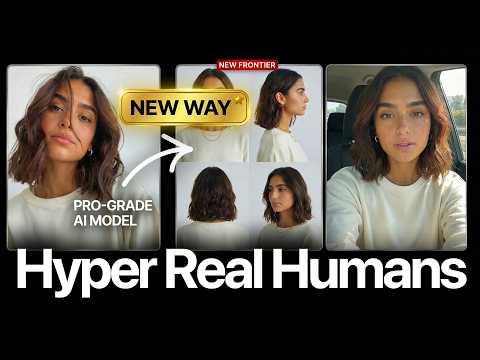 17:020:28Motion transfer with Kling AIThe creator shows how to use Kling Motion Transfer to map the movements from a real 'driving video' of himself onto a static AI influencer image.Sirio