Vectorizer.AI: Adjust color palette settings in Vectorizer AI
 Vectorizer.AI
Demo summary
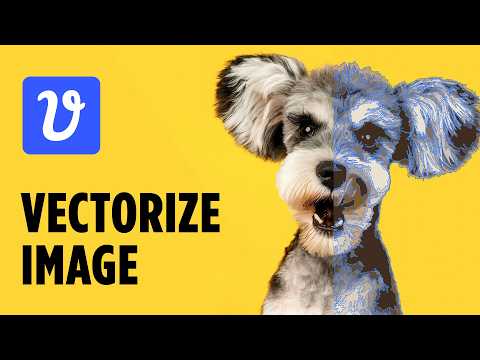
The user demonstrates how to reduce the complexity of a vectorization by limiting the color count from 50 down to 7 using the tool's palette settings.
Step-by-step
- Locate the color palette section in the top left of the interface
- Review the current number of colors being used in the graphic
- Select a lower number from the color count presets to simplify the vectorization
- Iterate through different color counts to find the balance between simplicity and quality
- Click the check mark to confirm the selection
Options
- Select preset color counts such as 5, 6, 7, or 10
Watch out for
- Reducing the color count too far (e.g., down to 5) can result in a loss of image quality
Tips
- Use a small number of colors when vectorizing to achieve a cleaner graphic look
- Check specific color swatches in the list to identify which ones are causing unwanted artifacts
- Experiment with incremental changes to find the 'magic number' that maintains detail while simplifying the palette
Highlights
“I actually think seven is kind of a magic number here. And I think this is a really nice result.”
All demos from “Raster to Vector in Seconds | Vectorizer AI Tutorial”
- 0:080:30Convert raster image to vector with Vectorizer AIThe user uploads a JPEG of a dog to the Vectorizer AI web interface, crops the image, and processes it into an outlined vector graphic.Vectorizer.AI· Image to Vector
- 0:421:07Adjust color palette settings in Vectorizer AICurrentThe user demonstrates how to reduce the complexity of a vectorization by limiting the color count from 50 down to 7 using the tool's palette settings.Vectorizer.AI· Image to Vector
- 1:490:40Compare results and export SVG in Vectorizer AIThe user shows the split-view comparison between the original photo and the vector result before selecting the SVG format for download.Vectorizer.AI· Image to Vector
- Watch “Raster to Vector in Seconds | Vectorizer AI Tutorial” →
Image to Vector
- 0:080:30Convert raster image to vector with Vectorizer AIThe user uploads a JPEG of a dog to the Vectorizer AI web interface, crops the image, and processes it into an outlined vector graphic.CryeStudio Design Tutorials
- 0:421:07Adjust color palette settings in Vectorizer AICurrentThe user demonstrates how to reduce the complexity of a vectorization by limiting the color count from 50 down to 7 using the tool's palette settings.CryeStudio Design Tutorials
- 1:490:40Compare results and export SVG in Vectorizer AIThe user shows the split-view comparison between the original photo and the vector result before selecting the SVG format for download.CryeStudio Design Tutorials
 0:400:34Vectorizing a low-resolution screenshot with Vectorizer.AIThe user demonstrates dragging a pixelated phone screenshot into Vectorizer.AI, cropping it, and processing it to create clean vector lines.Color Gamut Consulting
- 2:001:08Changing image color palettes in Vectorizer.AIThe user demonstrates selecting specific colors from the vectorized image and replacing them with new colors like royal blue to preview different design options.Color Gamut Consulting
- 3:440:50Exporting vector files from Vectorizer.AIThe video shows the export process, selecting file formats like EPS, SVG, or PDF and adjusting line fit tolerance before downloading.Color Gamut Consulting
 0:302:03Remove background and vectorize art with Vectorizer AIThe user demonstrates uploading a pixelated AI image to Vectorizer AI, reducing the color palette, and using the color selection tool to disable the background color for a transparent result.Philip Anders