Generate high-detail motion with Kling AI

 Kling AI
Demo summary
The demo shows Kling AI's ability to produce high-resolution visual details and natural movement, while noting the requirement for image-to-video frame matching.
All demos from “DreamFace vs Kling & Viggle — Which AI Motion Tool Is Better?”
- 1:210:10Animate character motion with DreamFace DreamActThe video demonstrates the motion accuracy and character stability of DreamFace DreamAct when animating a static image into a 10-15 second video.DreamFace· Image to Video
- 1:310:27Generate high-detail motion with Kling AICurrentThe demo shows Kling AI's ability to produce high-resolution visual details and natural movement, while noting the requirement for image-to-video frame matching.Kling AI· Image to Video
- 1:580:14Create meme-style character motion with ViggleThe creator demonstrates Viggle Meme Mix, showing its fast, dynamic motion output which is suitable for entertainment despite some body proportion inconsistencies.Viggle.Ai· Video to Video
- Watch “DreamFace vs Kling & Viggle — Which AI Motion Tool Is Better?” →


Image to Video
 8:032:02Animate images using Kling AIThe video shows the process of uploading a generated image to Kling AI and applying an image-to-video prompt to create a 3D-style animation.Emmanuel Crown
 2:301:24Animate still images using Kling AIThe creator demonstrates the image-to-video feature by uploading photos and using descriptive prompts to control camera movement and environmental animation.Roboverse
 10:361:18Animate images using Kling AI first and last framesThe user demonstrates using Kling 2.1 to animate a character by uploading a starting frame (with a hat) and an ending frame (without a hat) generated in Gemini.AI Samson
 3:321:08Generating consistent character angles with Multi-shotUsing a single image reference, the creator shows how to describe multiple camera angles and actions for a character to generate a consistent 12-second multi-scene video.Dan Kieft
- 15:001:06Image-to-video with start and end framesThe creator demonstrates the image-to-video method by setting a specific start frame and using multi-shot prompts to control the motion and narrative flow.Dan Kieft
 7:360:33Apply image effects in Kling AIThe user uploads a portrait photo to Kling AI's 'effects' tool and selects the 'flyer' template to generate a stylized motion video.@KevinStratvert
 4:200:36Animate AI images into video using Kling AIThe video demonstrates converting a static AI influencer image into a realistic video with natural gestures using the integrated Kling AI 2.1 model.The AI Hustle
 3:371:02Animate images using Kling AI Motion BrushThe video shows how to upload a starting image and use the Motion Brush tool in Kling AI to mask specific areas and define a movement path for birds in a cartoon scene.Caffeinated Blogger
 7:020:35Combine elements into a single videoThe user demonstrates combining two separate images—an empty car interior and a creature—into a single animated video using Kling O1's element feature.Dan Kieft
- 8:000:36Mimic camera motion from a reference videoThe demo illustrates how to upload a video with specific drone movement and apply that exact camera style to a static image using Kling O1.Dan Kieft
 20:400:49Using @ tags for specific image references in Kling O1The creator demonstrates the new tagging feature in the Kling O1 prompt bar, showing how to use the '@' symbol to reference specific uploaded images for character or object placement.Rourke Heath
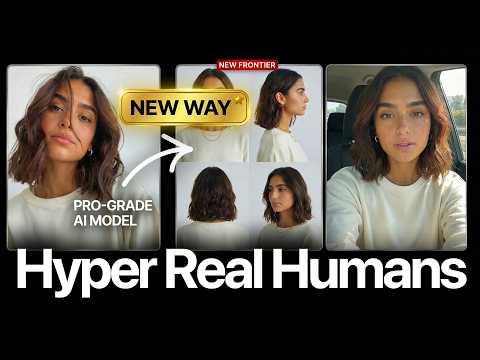 17:020:28Motion transfer with Kling AIThe creator shows how to use Kling Motion Transfer to map the movements from a real 'driving video' of himself onto a static AI influencer image.Sirio